

2nd National Conference on the History of Education in Norway
January 28–30, 2026
We are pleased to welcome you to the 2nd National Conference on the History of Education in Norway. This time, the academic community around KINDknow, the Kindergarten Knowledge Centre for Systemic Research on Diversity and Sustainable Futures at the Western Norway University of Applied Sciences – will host the conference, which will take place at the Kronstad campus in Bergen, January 28–30, 2026.
Conference Registration Here
Keynotes
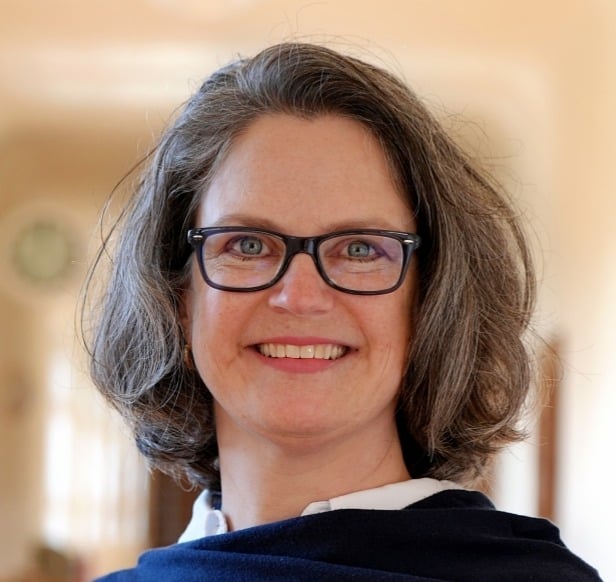
Kristen Nawrotzki is a historian with a particular focus on the history of education, especially working on the educational history of the youngest children and the history of education outside the classroom. Nawrotzki has, among other things, edited The Development of Early Childhood Education in Europe and North America (Palgrave 2015, together with Harry Willekens and Kirsten Scheiwe).

Pieter Verstaete's areas of expertise are the theories and practices of the history of education, with a particular focus on the history of special education, the influence of infectious diseases on education and educational history, and the role of sound and silence in the history of schools. Since 2011, he has been the curator of the annual Leuven Disability Film Festival. Pieter Verstraete has received awards for both outstanding research and outstanding teaching, such as the Disability History Book Award and the Maurits de Vroede Prize.
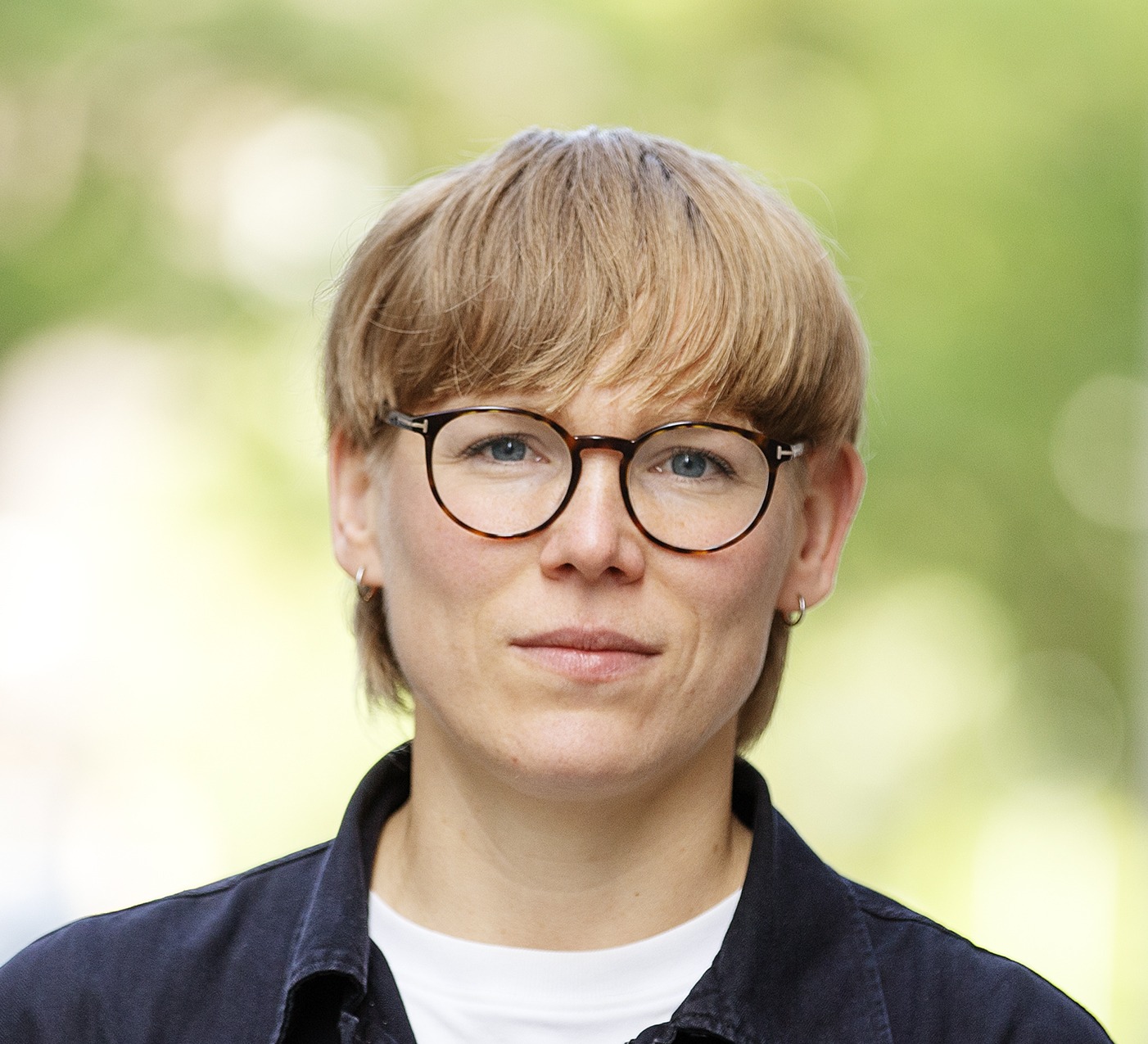
Elise Farstad Djupedal is a postdoctoral researcher at NTNU, Norway, and obtained her PhD from the same university in November 2025. Djupedal's dissertation was titled Elementary School as Knowledge Policy: Political Governance of the School's Content, Scope, and Organization 1954-2024. Djupedal has established herself as a prominent voice in the public sphere, and the viewpoints she has expressed have had a significant influence on the political discourse.
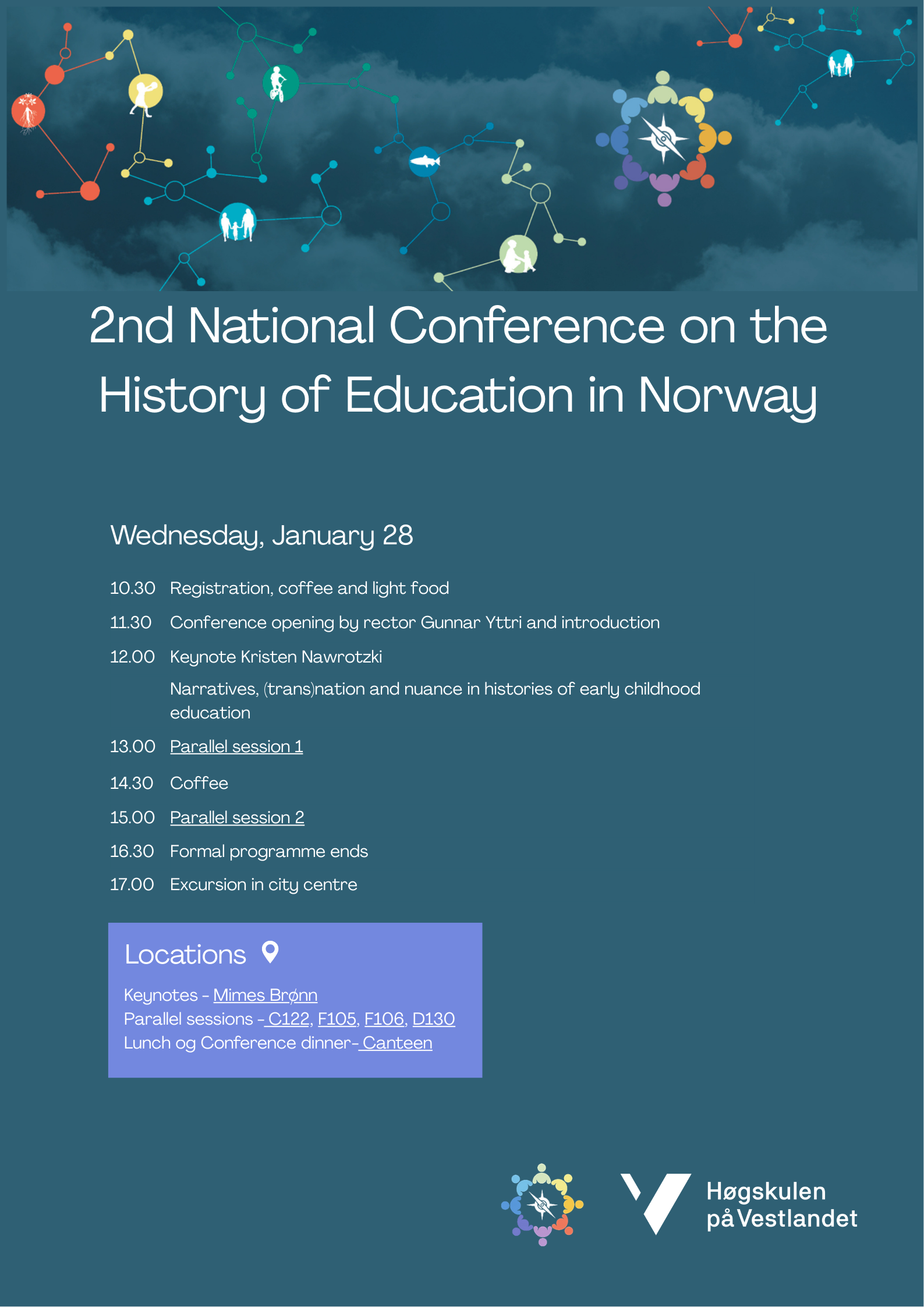
Conference Theme: Danning's Possibilities: Historiographical Approaches Concerning Future Generations
Danning's Possibilities: Historiographical Approaches Concerning Future Generations
Throughout the entire educational pathway, as well as cultural and leisure life, danning or cultural formation or cultivation (akin to but not necessarily the same as Bildung) features as a core goal. Kindergartens, schools, universities and museums, among many other institutions, are tasked with creating environments in which children, youth, and adults are encouraged to engage with the world in inquisitive and exploratory ways, becoming responsible participants in inclusive communities and sustainable societies.
A shifting political world order creates uncertainty – but also new opportunities to revitalise the concept of danning. How can we think about danning through time (and vice versa)? Can historical perspectives on what danning means help us to address today’s challenges in meaningful and fruitful ways – and provide us with new starting points for shaping a better future?
Historical perspectives on danning may challenge conventional understandings of intergenerational relationships, as well as modern conceptions of linear temporality. How has history come to regard the child as vulnerable, competent, creative, social, disobedient, or dangerous? How has childhood come to be conceived – as something with intrinsic value, as a collective project, or as preparation for adulthood? How have these understandings been expressed and contested through art, culture, philosophy, politics, and ideas about what kindergartens, schools, and education viewed in a broad perspective, implicating also adults and adulthoods, should be?
How have such expressions fostered deeper understandings of what it means to be a child – and of children’s ideas, competencies, limitations, rights, responsibilities, and contributions to society? How does this sit alongside understandings of adulthood(s)?
These are among the questions we wish to explore at the 2nd National Conference on the History of Education in Norway. We especially welcome contributions that address historical perspectives on early childhood education and that probe how the history of education can shed new light on contemporary and future challenges.
We define the history of education broadly and invite researchers from a range of disciplines engaged with educational topics. These may include pedagogical, professional, organisational, economic, and political questions related to all levels of education – formal, nonformal and informal.
Conference fee and conditions
Conference fee
Standard Participant: NOK 2,500
The fee includes coffee/tea, snacks during breaks, and lunch on both days.
Student Participant: NOK 600
The fee includes coffee/tea, snacks during breaks, and lunch on both days.
Conference dinner
Conference Dinner: NOK 600
Optional participation.
Tapas will be served, including one beverage, dessert, and coffee/tea.
The conference dinner will be held in the cafeteria at Western Norway University of Applied Sciences shortly after the end of the program on Day 2 – January 28, 2026.
Terms and conditions
Registration Deadline: January 19, 2026
- No refund of the participation and/or dinner fee will be issued for cancellations made after January 12, 2026.
- A substitute participant may be sent in place of the original registrant.
- For cancellations made before January 12, 2026, the participation and/or dinner fee will be refunded, minus an administrative fee of NOK 312.50.
Accommodation
We have reserved rooms at a hotel Moxy Bergen located at Danmarksplass/Solheimsgaten, within walking distance to the Western Norway University of Applied Sciences.
As a participant, you will book and pay for the hotel yourself.
By booking through the link below, you will receive a special rate for this hotel. The price for a single room is NOK 1350 per night, and includes breakfast.
To get the hotel room at the special rate, you must book by January 5th, 2026
Excursion
Join an exciting excursion in downtown Bergen led by historian Morten Hammerborg. In 2020, he published the book Bergenseren – en historisk analyse (The Bergenser – A Historical Analysis), and during this guided tour, participants will be introduced to rich stories and insights about what shapes Bergen, its people, and the unique Bergen culture.
The tour lasts approximately 2 hours and begins at Skansen Fire Station. Along the way, we will explore several interesting stops before concluding at the Natural History Museum at Nygårdshøyden.
Conference dinner
Dinner
Conference Dinner: NOK 600
Optional participation.
Tapas will be served, including one beverage, dessert, and coffee/tea.
The conference dinner will be held in the cafeteria at Western Norway University of Applied Sciences shortly after the end of the programme on Day 2 – January 29, 2026.
Call for abstracts
November 7, 2025, 15:00 CET: Deadline for regular conference abstracts. Abstract length: max. 250 words.
December 1, 2025: Notification of acceptance
Presentations may be held in a Scandinavian language or English (we encourage using English in slides for Scandinavian language presentations)
Abstacts can be sent to: utdanningshistorie@hvl.no
Call for keynotes
Would you like to give a keynote lecture at the conference? We invite proposals for one of three keynote lectures addressing one of the following themes:
- The historiography of education as a basis for perspectives on the present and future
- History of education in motion: New perspectives – future directions
- An open keynote that includes early childhood education as a central focus (or at least as a lens)
Keynote presentations should be held in a Scandinavian language or English (we encourage a mix of Scandinavian language and English for PowerPoint slides where applicable) and should be limited to 45 minutes.
Proposals should be no more than 1,000 words and must include:
A description of the topic
Theoretical perspectives to be addressed
A rationale explaining the significance of the proposed theme
November 7, 2025, 15:00 CET: Deadline for keynote abstracts. Abstract length: max. 1000 words
Send proposals to: utdanningshistorie@hvl.no
Contact us