
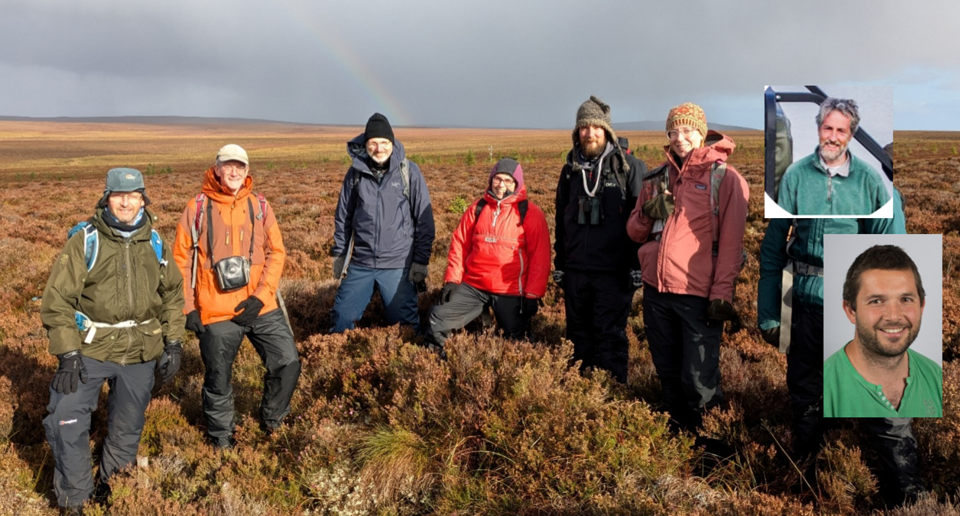
Does peatland restoration work – and how long does it actually take? The Flow County example
In a recent study published in the journal Ecological Applications, researchers in the REPEAT project investigated how restoration of blanket bog proceeds in the Flow Country, a UNESCO World Heritage Site in Northern Scotland.
These are two central questions. However, before we can answer them, it is important to explain why peatland restoration is necessary and what it involves.
Peatlands are important ecosystems with a distinctive biodiversity that differs from that of the surrounding landscape. At the same time, they are among the world’s most important terrestrial carbon stores and therefore play a key role in the climate system. In addition, peatlands contribute to water purification and flow regulation, and function as valuable archives of natural and cultural history. Despite this, peatlands over large areas have been ditched, drained, and otherwise damaged by human activities.
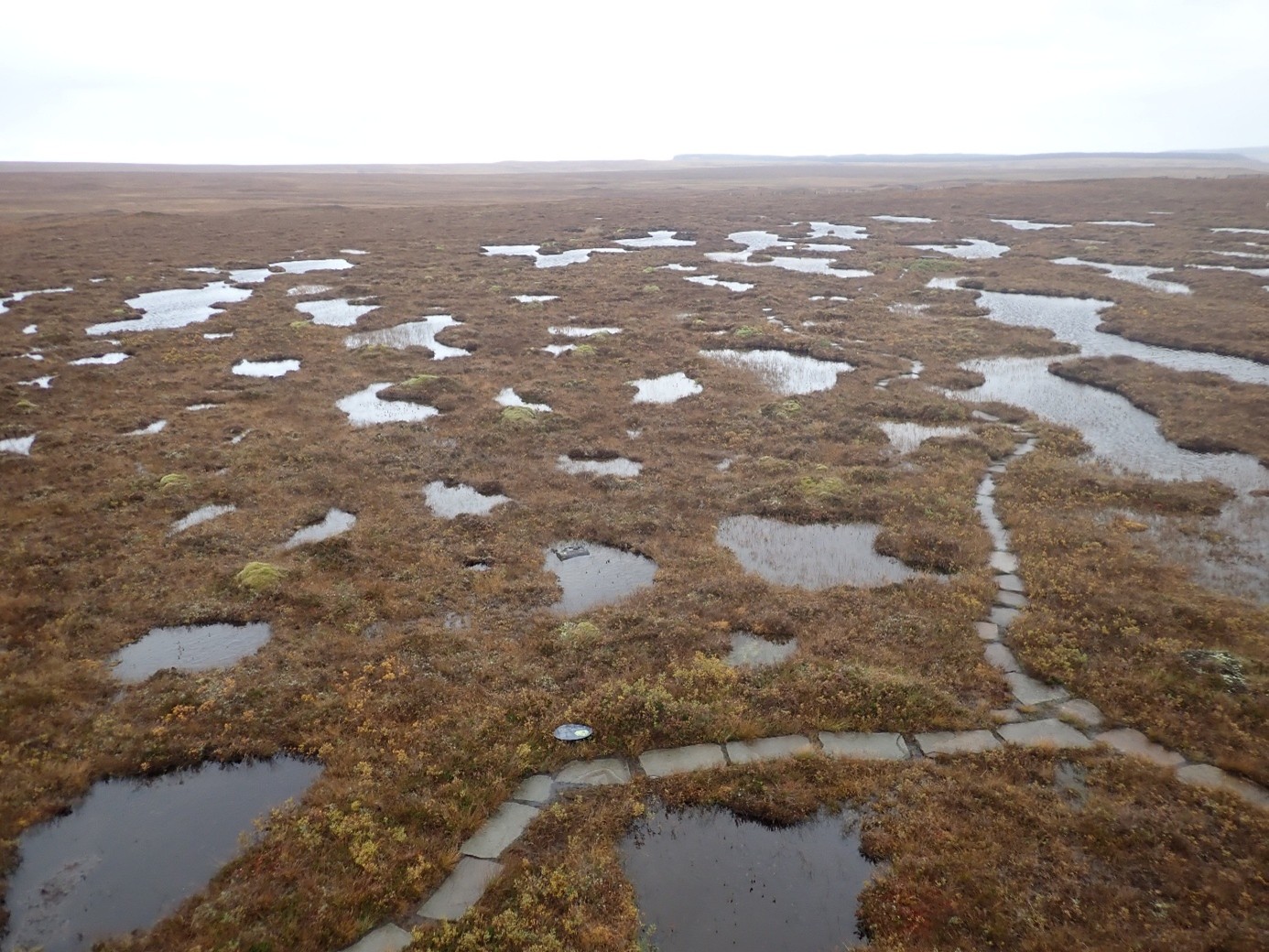 The Flow Country of Caithness and Sutherland, in northern Scotland, is covered by extensive blanket bogs, a globally rare type of peatland limited to cool and/or coastal regions at high latitudes. Photo: Knut Rydgren.
In an effort to repair these impacts, peatland restoration is currently being carried out in many countries. Peatland restoration primarily involves re‑establishing natural hydrology and facilitating the return of peat‑forming vegetation. Peat mosses (Sphagnum species) are particularly important, as they form the basis for peat accumulation. However, it remains uncertain to what extent the original vegetation can be re‑established, and not least how long such a process may take.
In a recent study published in the journal Ecological Applications, researchers in the REPEAT project investigated how restoration of blanket bog proceeds in the Flow Country, a UNESCO World Heritage Site in Northern Scotland. The study area was restored by removing non‑native tree species that had been planted around 15 years earlier, combined with blocking drainage ditches to re‑establish the water balance. Vegetation development was monitored using permanent plots over 24 years.
In the initial years, vegetation composition diverged further from the reference (an intact bog in the surrounding area), but later began to converge towards it. The analyses suggest that it may take from approximately 50 to nearly 300 years for species composition to resemble the reference bog, depending on the criteria applied. The study shows that blanket bogs may take a very long time to restore, even when the period of disturbance has been relatively short. At the same time, the restoration work has contributed to the development of more suitable restoration methods, offering hope for faster and more effective restoration of similar peatland areas elsewhere.
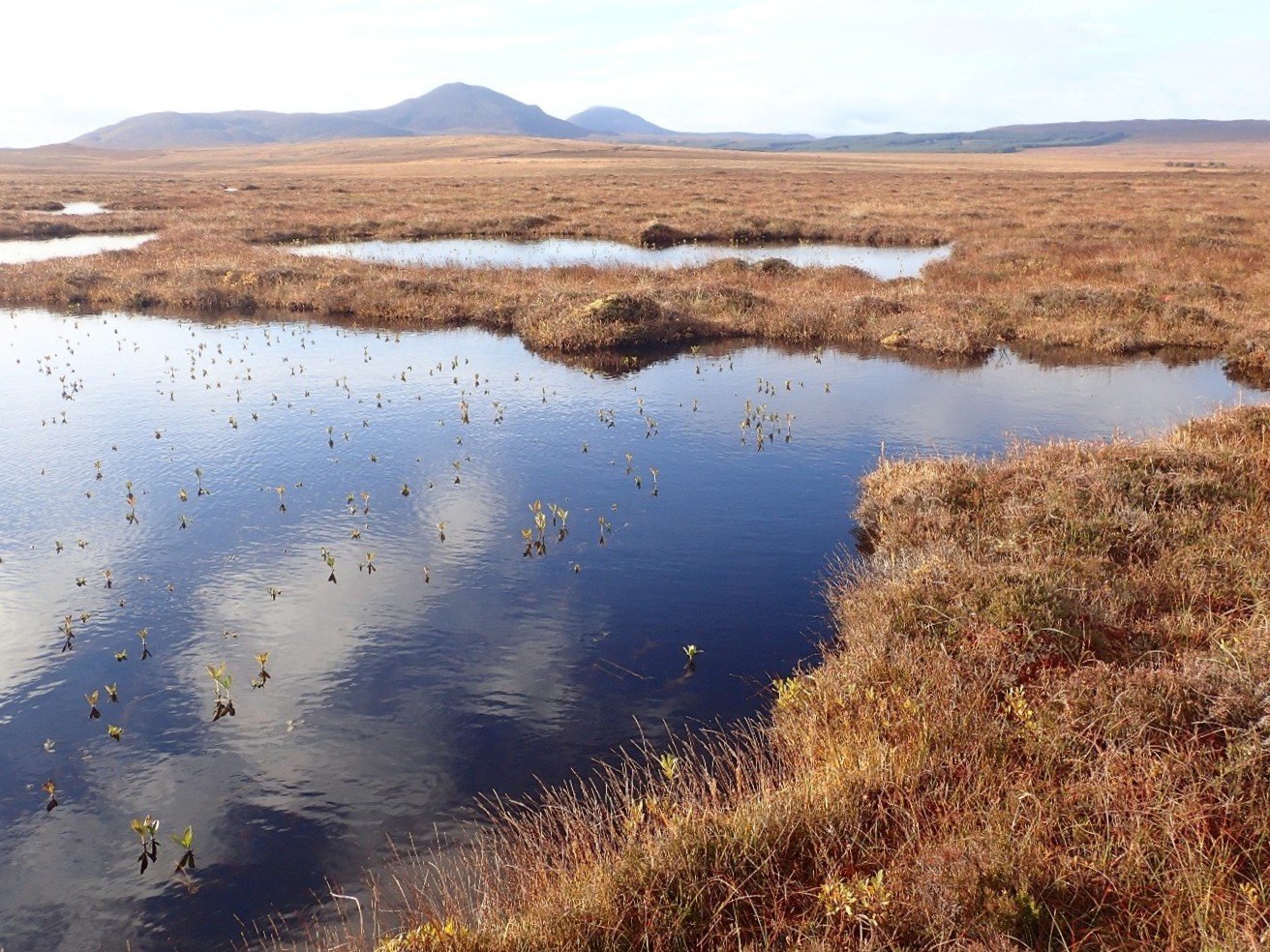 Due to its “outstanding universal value,” approximately 190,000 ha of the 400,000 ha of the Flow Country was designated in 2024 as the first and only peatland UNESCO World Heritage Site. Photo: Knut Rydgren.
Knut Rydgren presented this study at The 9th Flow Country Research Conference: From Capitulum to Catchment in Thurso, Scotland, and at the BES Annual Meeting 2025 in Edinburgh, Scotland.
Read the whole article: Rydgren, Knut, Roxane Andersen, Rune Halvorsen, Mark H. Hancock, Robert D. Hughes, Alice Martin-Walker, Joachim P. Töpper, and Neil Cowie. 2025. Restoration of Formerly Afforested Blanket Bog: Estimating Time for Vegetation Recovery. Ecological Applications 35(8): e70138. https://doi.org/10.1002/eap.70138
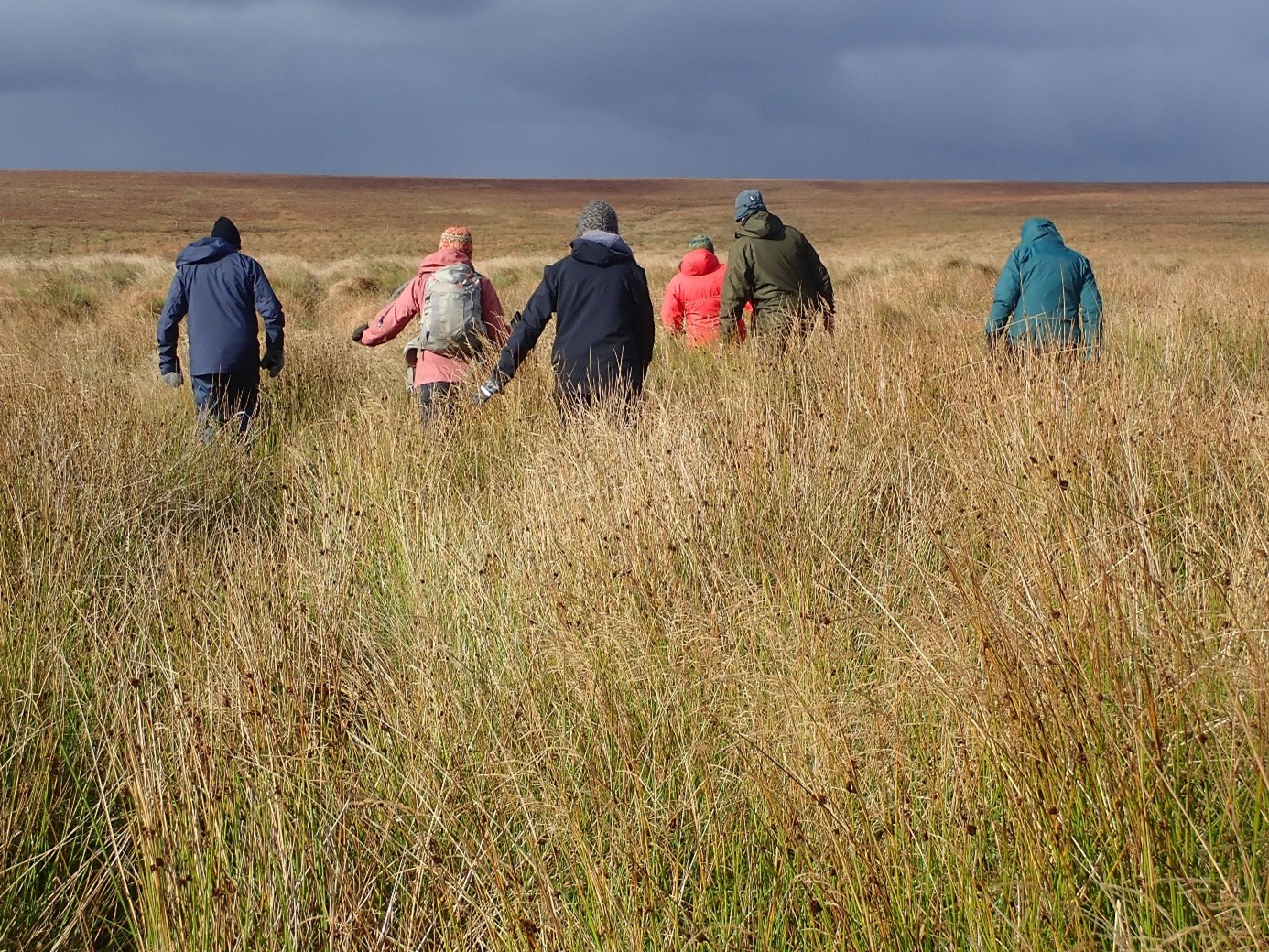 However, in the Flow Country over 67,000 ha of peatlands were deep-plowed, fertilized, fenced and planted with non-native conifers in the 1970s–1980s. Around 15 years later, restoration of damaged areas was started. Photo: Knut Rydgren.