

A Global Citizen Challenging Established Ways of Thinking
Kim Carlotta von Schönfeld is one of four researchers at HVL who have so far come to Norway through the prestigious MSCA postdoctoral fellowship. In her project, she has, among other things, interviewed Bergen residents on their way to work.
“What is my home country? I’m not sure I really have an answer to that,” says Kim Carlotta von Schönfeld.
It’s a dark and cold morning, as it often is during winter up north. The postdoctoral researcher is on her way to a seminar at Western Norway University of Applied Sciences, where she has been based for the past two years working on the MobileWorlds project.
It was HVL professor Wendy Tan who told her about the opportunity to apply after completing her PhD.
“I liked the idea of being able to do my own research on a topic I was passionate about, without being tied to a larger project someone else had designed. The project also gave me the chance to explore differences between Northern and Southern Europe in what I study,” she says.
The MSCA Postdoctoral Fellowship is one of the most sought-after grants in Europe. It is not only a major academic recognition for the candidate but also an important boost for HVL as an institution.
Why we travel the way we do
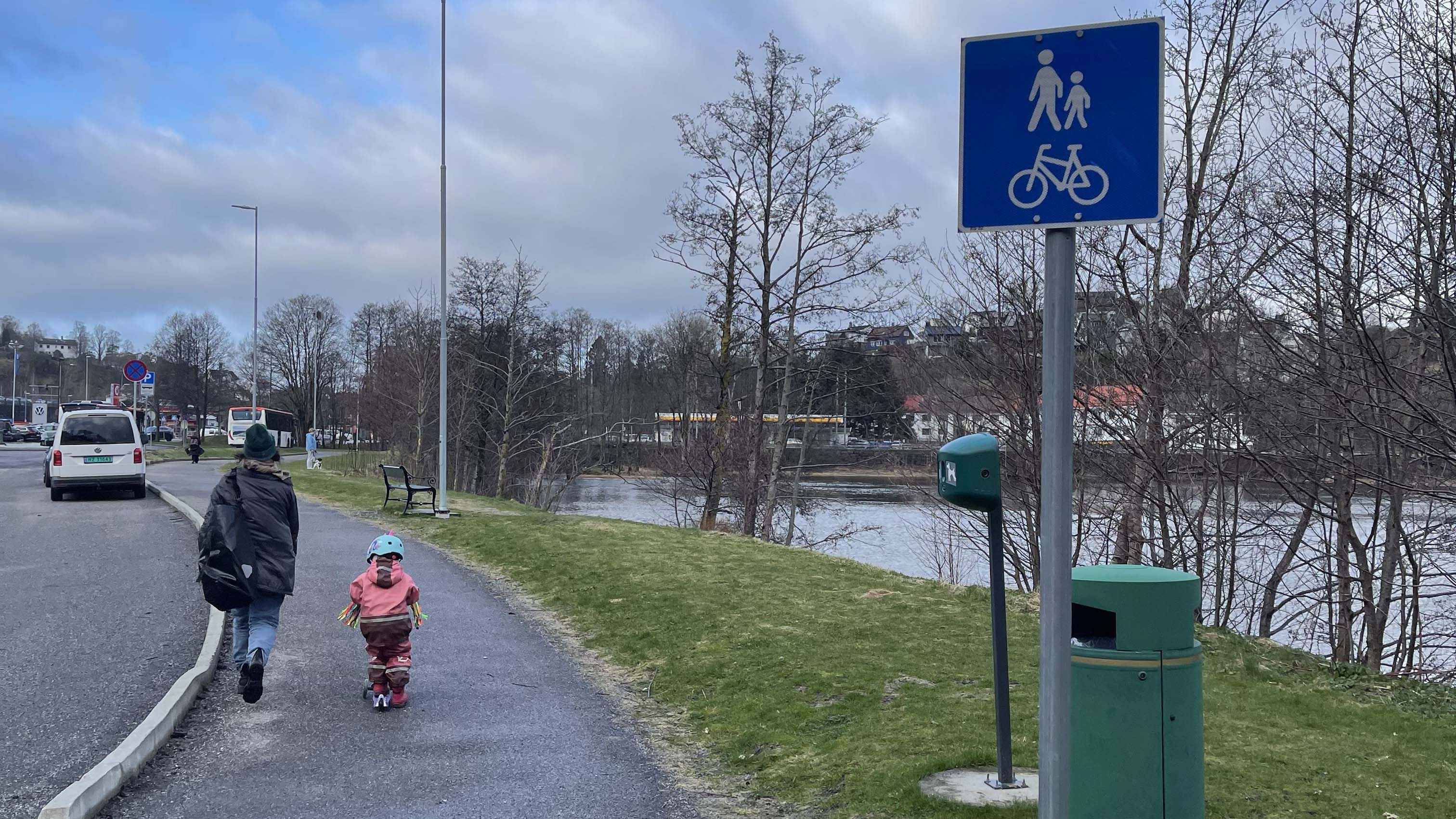
A key concept in Schönfeld’s research is mobility—how we move in everyday life and how we justify that.
To find out what people think about their daily journeys, Schönfeld has joined them on their way to work and school. She has taken the light rail, walked with them through the streets, or joined them in their car. She has carried out similar studies in Portugal.
“Many cities are planned mainly for employed adults who drive to work. Parents then use the car near the school, even if they don’t want to, because they need to continue to work afterward. This makes it harder for children to walk or cycle to school, and it limits the imagination of how else people could move and organize themselves”
Kim Carlotta, who holds a PhD in land-use planning, emphasizes the importance of creating cities for people of all ages, making them safe and accessible for children, youth, adults, and older adults alike. She also emphasizes the importance of getting creative about our daily activities.

Creative workshop materials. Foto: Clara Roberti
Thinking Outside the Box
An important part of Schönfeld’s research is about what happens when two or more cultures meet. She herself has plenty of experience with this. She was born in Germany. At age six, she moved to Guatemala. At ten, she moved with her family to Brazil, before returning to Germany at fourteen. She studied in the Netherlands and Portugal, and now also in Norway.
“For me, research is about thinking outside the box. I believe citizens and planners should engage in creative approaches to share their visions for livable, inclusive cities," she explains.
The result of her alternative research methods has included workshops, a festival, and an art booklet. She will shortly publish the MobileWorlds Toolbox including details on how to conduct these alternative methods – stay tuned on https://mobileworlds.online.
You can also learn more on the Planetary Planning Podcast (the November 2025 episode includes information about the MobileWorlds project).
Doctoral networks and staff exchange
In the next round of MSCA Postdoctoral Fellowships, HVL has submitted ten applications. The expected responses to these are in February 2026.
The EU also has a separate call related to doctoral networks. Here, HVL has submitted one application as coordinator and four applications as partner. Previously, we have been a partner in two such doctoral networks. One focuses on artificial intelligence, with Marcin Fojcik and Volker Stolz as supervisors. The other focuses on particle therapy and has Ilker Meric as supervisor.
In addition, HVL is a partner in an MSCA Staff Exchange application. The Staff Exchanges action funds short-term international and inter-sectoral exchanges of staff members involved in research and innovation activities of participating organisations.
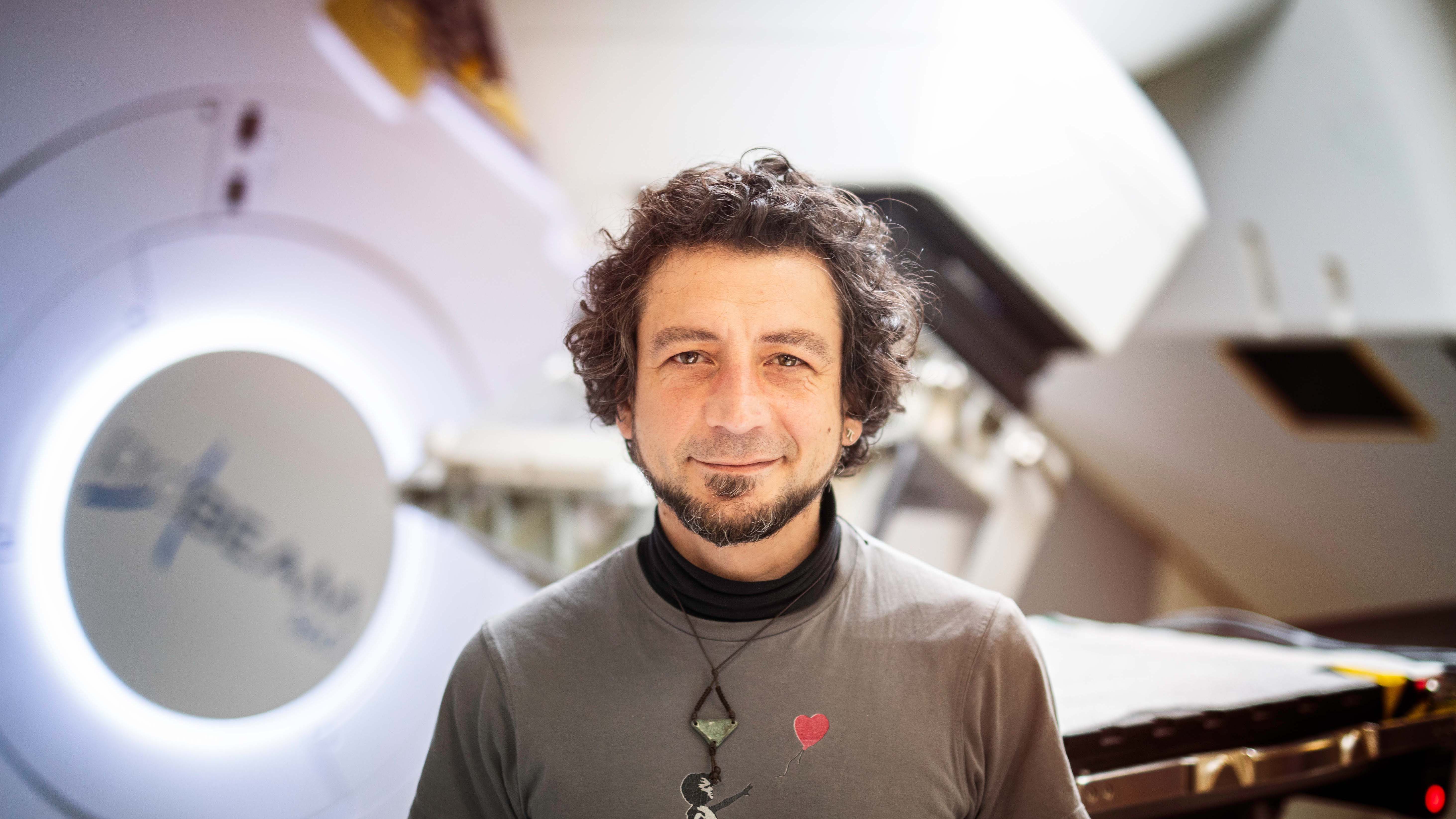
Ilker Meric. Photo: HVL/Ingvild F. Melien
Facts about Marie Skłodowska-Curie Actions
- The Marie Skłodowska-Curie Actions fund excellent research and innovation and equip researchers at all stages of their career with new knowledge and skills, through mobility across borders and exposure to different sectors and disciplines.
- The MSCA also fund the development of excellent doctoral and postdoctoral training programmes and collaborative research projects worldwide.
Read more on this page: Marie Skłodowska-Curie Actions.