

Energy perspectives on children’s and YA literature
Registration
Keynotes

Abstract - Critical Love of Place: Energy Imaginaries, children’s Literature, and the Ethics of Inheritance
Children often encounter place through affection before they encounter it through critique. They learn to love the smell of rain on dry ground, and they learn the names of rivers, animals, farms, and coastlines. Before they ever question its impact, they watch the sunrise with awe. However, the places children love are also shaped by our energy systems. The uneven distribution of environmental risk in society makes it so that children may or may not find oil fields, wind farms, dams, or pipelines as part of their encounters with place. The central question this lecture asks is this: What does it mean to love a place in a time of ecological crisis? This lecture develops the concept of Critical Love of Place (CLP) as a framework for reading and teaching children’s and young adult literature about energy and environmental justice. CLP begins with the premise that children deserve stories that help them value where they are from. The everyday attachments to landscapes, labor, and language are what make a place feel like home. However, love of place becomes ethically incomplete when it asks children to inherit only pride or nostalgia without also noticing the ecological harm of energy extraction and their responsibility to future generations. Drawing across my previous and current work, I argue that children’s literature can help readers hold together two ideas often treated as opposites: affective love of place and critical accountability.
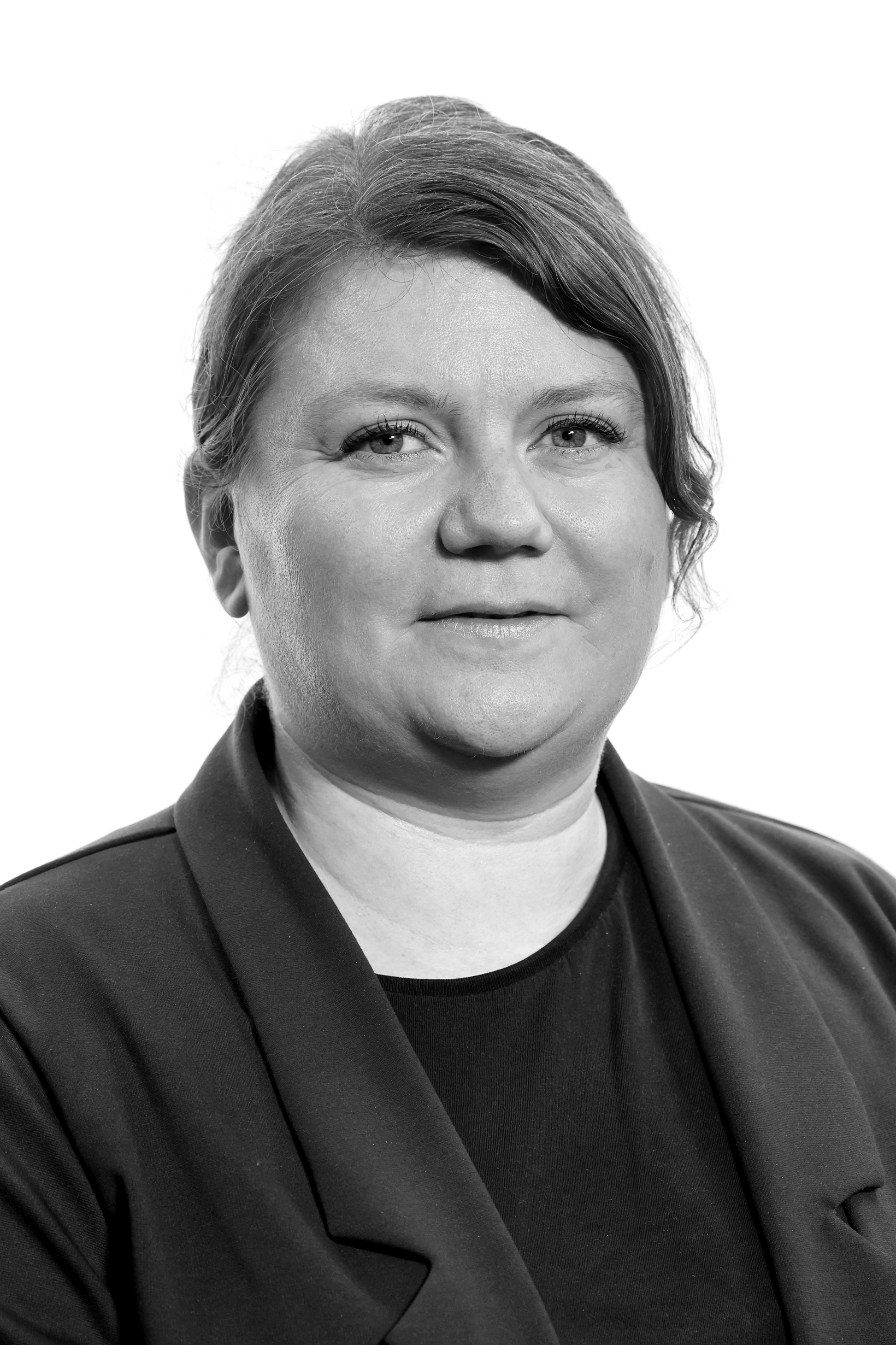
Abstract - Literary perspectives on energy conflicts
Energy is a conflict-filled field in a Norwegian context. The conflicts related to energy arise from sustainability dilemmas. Sustainable development involves meeting human needs, ensuring justice and respecting environmental limits. In many cases, not least when it comes to energy, different values and interests conflict with one another. Energy conflicts are, for example, related to hydropower, wind power, and the use of oil. The conflicts concern, among other things, human rights, environmental protection, biodiversity, untouched nature, climate emissions, the economy, and jobs. In these conflicts, it is not possible to take all values, interests and needs into account at the same time. What one considers the right solution often depends on how one positions oneself on the relationship between humans and nature. I examine how energy dilemmas can be expressed in literary texts, with particular emphasis on how issues related to hydropower are raised through conflict-filled dialogues in Maja Lunde’s novel The End of the Ocean (Blå, 2017). I will discuss how different views are expressed regarding how the need for hydropower, economic growth, and increased prosperity should be weighed against the need for protection of nature and biodiversity, and what the dialogues can tell readers about the complexity of energy issues.
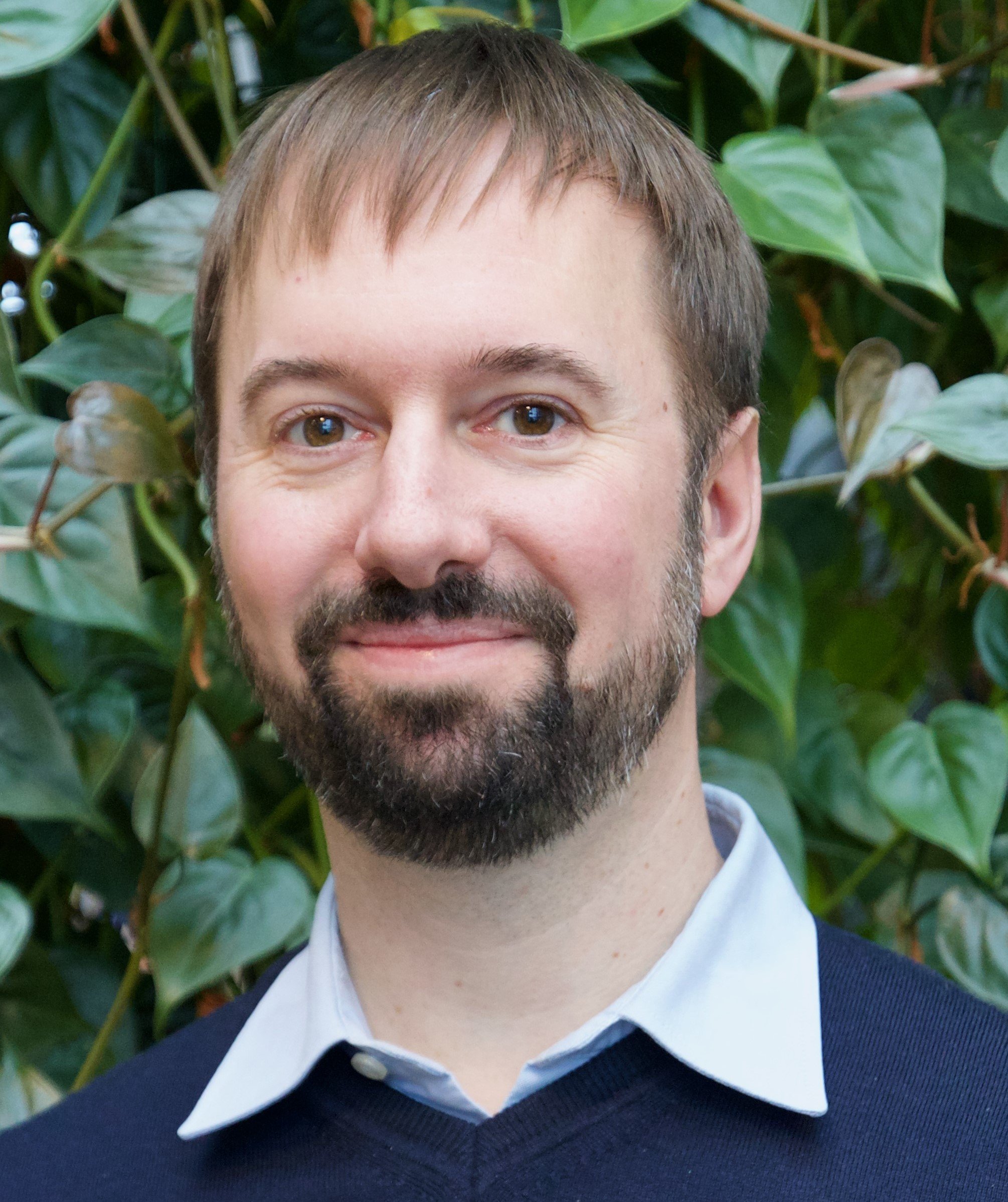
Abstract - Fossil Fuel Extraction and Energy Transition in Norwegian Children's Literature
Norway is increasingly criticized internationally for the contradiction between its claims to leadership in sustainable development and green transition and its continued expansion of fossil-fuel extraction. This talk argues that Norwegian children's literature has played an important role in shaping the energy imaginaries through which petroleum extraction has been understood by successive generations of young readers. Drawing on fiction and nonfiction, including comics, picturebooks, informational books, and school textbooks published from the 1960s to the present, I examine how narratives about oil and gas have contributed to popular understandings of Norwegian petromodernity, prosperity, and national identity. Many of these works portray petroleum extraction as exciting, adventurous, and socially beneficial, often drawing on familiar narrative patterns and cultural traditions, including Norwegian folktales. At the same time, while acknowledging the reality of anthropogenic climate change and the need for energy transition, they frequently contrast an impoverished pre-oil past with an idealized fossil-fuelled present. I argue that such representations normalize continued petroleum dependence and limit the imaginative space available for envisioning desirable post-petroleum futures. By tracing changing representations of fossil fuels and energy transition in literature for young readers, the talk highlights children's literature as a significant cultural arena in which competing energy imaginaries are produced, negotiated, and contested.