
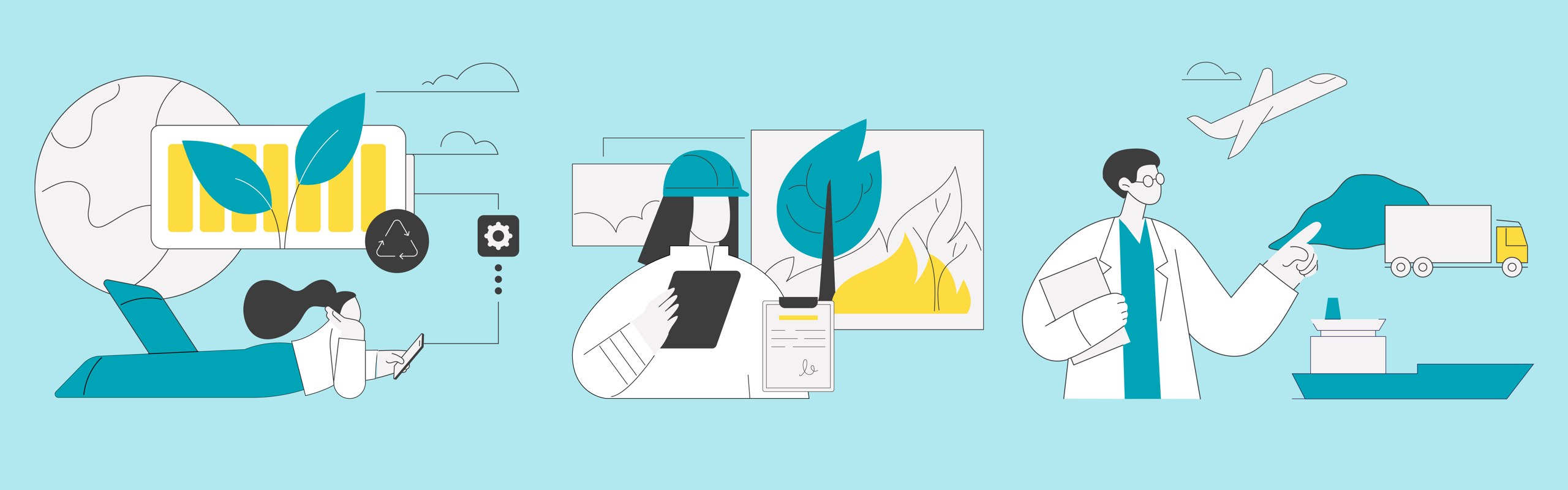
SPARK lab - Safety, Protection, Advanced Research and Knowledge laboratory
The SPARK lab is a dedicated safety laboratory, essential to ensure that sustainable technologies are not only effective, but also safe, reliable, and aligned with long-term environmental goals.


Brief on the SPARK lab
Nowadays, there is an increasing focus on the need of developing and designing new materials, processes and technologies for a cleaner future. Norway has signed and ratified the main international agreements (e.g., Paris agreement 2016, Glasgow Climate Pact 2021) and has committed to the UN Sustainable Development Goals. Terms as zero-emissions, or biofuels have become usual in everyday conversations, showing the social interest on the topic. As Norway advances toward a cleaner future, new materials and technologies are being developed at unprecedented speed. However, the pressure to commercialize innovations quickly can lead to reduced attention to safety. Without thorough testing, new systems may pose risks to people, facilities, and investments, and even undermine public trust in the green transition. A dedicated safety laboratory, the SPARK (Safety, Protection, Advanced Research and Knowledge) lab, is therefore essential to ensure that sustainable technologies are not only effective, but also safe, reliable, and aligned with Norway’s long-term environmental goals.
The SPARK lab is a part of this process, developing, helping, and supporting the implementation of these ideas into the real world with a complete assessment and management of potential risks. The SPARK lab is an intermediate actor which develops research and gathers the new knowledge and outcomes that come from all these new possibilities and makes it available to encourage and promote a safer green future. This facility aims to fill the existing gap between research and safe implementation by gathering the essential knowledge on the associated risks of the new technologies.
Research lines
a) Renewable energies
Renewable energies is a broad term that includes an increasing number of technologies, processes and materials. The SPARK lab focuses on the safe development of renewable energies mentioned and encouraged in the European Green Deal, such as solar energy, wind energy, biomass and bioenergy, etc. The development and use of these energies have a number of risks associated that are evaluated at the SPARK lab.
b) Mobility and storage
Mobility and storage are two crucial enablers of Europe’s transition to climate neutrality by 2050. The SPARK lab focuses on ensuring the safe implementation of new and sustainable solutions for smart mobility, focusing on topics as electrification of transport or sustainable fuels, while energy storage and system integration is analysed to ensure safe battery development, and storage and use of hydrogen, or carbon capture.
c) Food and waste
The SPARK lab focuses on highlighting the need for risk storage and use (or re-use) of food and waste. As an example, the SPARK lab focuses on the risk of smouldering fires in food and waste storage, one of the most common risks associated with this type of materials, causing enormous losses and toxic emissions that can affect populations.
d) Natural hazards
People involved in the SPARK lab