
Children’s rights and participation in the context of child protection : a conversation with Marit Skivenes
June’s edition of the NORBARN webinar series featured Professor Marit Skivenes, a political scientist internationally recognized for her work on child welfare and child protection. She shared key insights emerging in debates on child protection systems, in Norway and beyond, and thought-provoking reflections on the meaning of children’s participation.
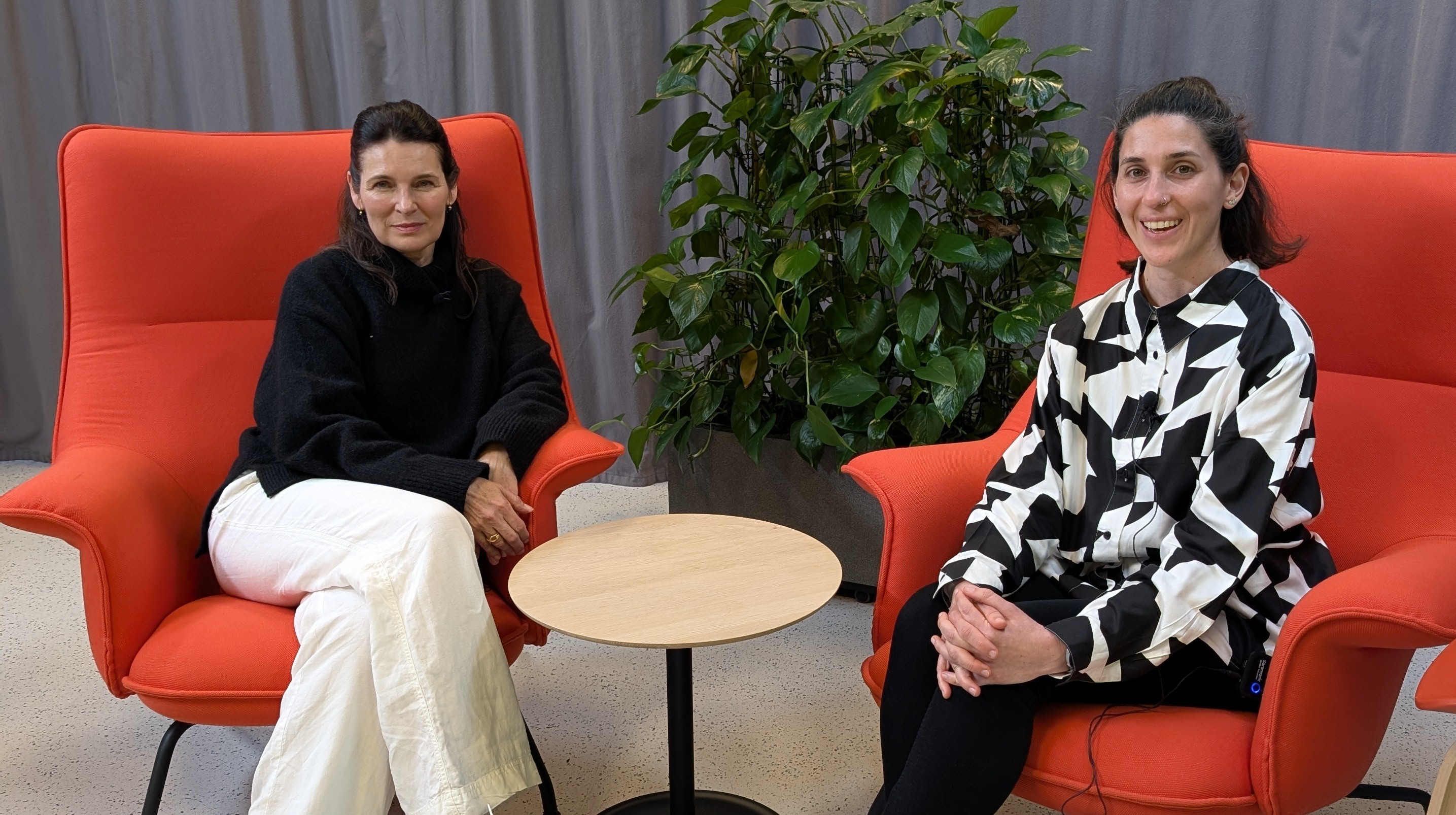 Foto: NORBARN
On June 10th 2025, the NORBARN Research School hosted Professor Marit Skivenes as part of its webinar series in a dialog with Postdoctoral Fellow Francesca Vaghi at HVL. Professor Skivenes is a leading scholar in the field of child protection, and is the director of the Centre for Research on Discretion and Paternalism (DIPA) based at the University of Bergen’s Department of Government. Having published extensively on the topic of children’s rights and child participation within child protection systems, both focusing on Norway and on international contexts, the webinar opened with a question on the key themes and findings which have emerged in her research over the years. One of the main topics that she and her colleagues have explored in this work are the challenges that emerge due to the disconnect between legislation and practice in child protection systems. Connected to this is the difficulty of finding the appropriate balance between protecting children's best interests and ensuring their meaningful participation in decisions that affect their lives, what Professor Skivenes and her colleagues have termed the “child participation-protection dilemma.” Much of the work she and her collaborators have done in this area has culminated in the development of a global typology of child protection systems, which Professor Skivenes explained to the audience.
Professor Skivenes also described some of the progress that Norway has made in relation to children’s participation in child protection. Notably, on the day of the webinar, she had received news from the Norwegian Parliament that children aged 12 will soon have party rights in child protection cases, an important step forward which emerged as a result of the work that Professor Skivenes spearheaded when leading the commission for the Official Norwegian Report on improved quality and legal protection in child protection between 2021 and 2023. While she celebrated Norway’s achievements and progressive approach to children’s rights and participation, she also discussed some of the shortcomings of the Norwegian system, and mentioned some of the lessons she has learnt from the international comparative research she and others have carried out on child protections systems. She particularly focused on England’s Children’s Act 1989, whereby children are appointed a Guardian who will support them through legal proceedings or child protection cases they are involved in. She highlighted that this helps overcome the challenges that result from professionals’ lack of time, or skills, to adequately understand a child and their needs, especially when they have suffered trauma or are in a vulnerable situation.
The rest of the conversation focused on what is needed for effective child participation to take place in the child protection context. Professor Skivenes highlighted that proper resources, comprehensive training, adequate time, and supportive institutional structures are fundamental if we are to overcome tokenistic approaches to involving children in decision-making. Meaningful participation requires creating safe environments where children can build trust with adults. Further, Professor Skivenes pointed out that sustainable change requires more than one-off training sessions; there needs to be ongoing support, proper management, and innovative approaches, including technology-assisted training (like using ‘child avatars’ to develop communication competencies). Importantly, she encouraged listeners to remember that the child’s integrity and autonomy needs to be always respected; in her words, “We need to think about the child as an individual that has moral status.” The conversation was followed by a rich question and answer session with the audience, before closing.